
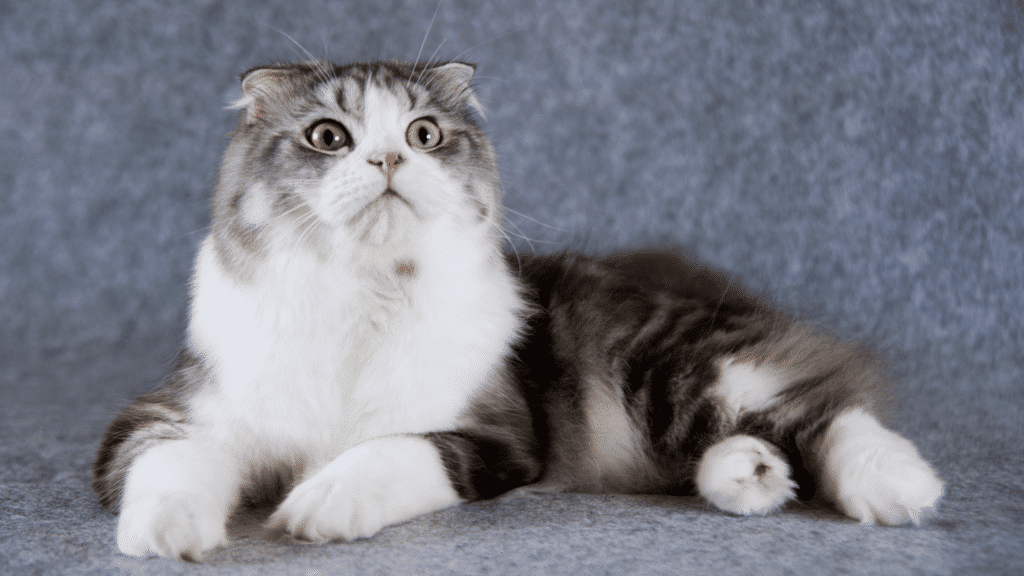
The Scottish Fold cat is easily recognizable by their distinctive folded ears and round expressive eyes. This breed has captured the hearts of cat lovers around the world thanks to its calm demeanor and unique appearance. Keep reading to learn the history, temperament, appearance, health concerns, and some interesting facts of the sweet Scottish Fold.
History of the Scottish Fold
The Scottish Fold cat’s origins can be traced back to 1961 to a farm in Scotland. The first known Scottish Fold, named Susie, was a white barn cat with naturally folded ears. A farmer named William Ross discovered her and, intrigued by her unique trait, decided to breed her with a local tomcat. The result was a litter of kittens with similarly folded ears. From these early beginnings, the breed slowly gained popularity and was eventually introduced to the United States and other parts of the world.
The breed’s name, “Scottish Fold,” comes from its country of origin and the distinctive way their ears fold forward. Though the mutation that causes this ear shape is genetic, it was initially considered a flaw. However, it soon became the breed’s defining characteristic, and breeders worked to standardize the look while ensuring their overall health.
Temperament & Personality
Scottish Folds are renowned for their sweet and affectionate nature. They are typically calm, gentle, and enjoy being around people. Unlike some more independent breeds, Scottish Folds tend to form strong bonds with their owners and often seek out attention. They’re also known to be quite playful, though they’re not as hyperactive as some other breeds. These cats are social animals and generally get along well with other pets, including dogs, making them great companions for households with multiple animals. They are particularly suited to families because of their easygoing nature and tolerance for children. While they do enjoy playing, Scottish Folds are often content to simply sit near their owners, purring contentedly as they receive attention.
Appearance
The Scottish Fold’s most distinctive feature is its ears. The breed is best known for its rounded, folded ears, which give it an almost “owl-like” appearance. The degree of the ear fold can vary from cat to cat, with some having a single fold and others exhibiting more extreme folding. The fold is a result of a genetic mutation that affects the cartilage in the ear.
Beyond their ears, Scottish Folds are medium-sized cats with round faces, large eyes, and soft, thick coats. Their bodies are compact yet muscular, giving them a sturdy and balanced look. Their fur can come in a variety of colors and patterns, from solid colors to tabby, tortoiseshell, or even bicolor. The breed is also known for its large, expressive eyes that contribute to their gentle and innocent appearance.
Health Concerns
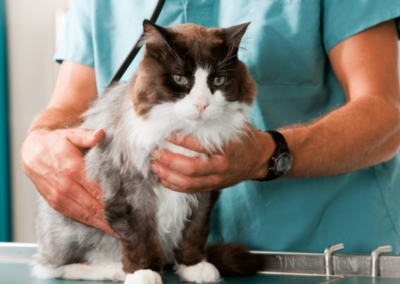
While the Scottish Fold’s unique appearance is beloved by many, it also comes with certain health concerns that potential owners should be aware of. The gene responsible for their folded ears can be linked to cartilage issues, particularly in the joints. This can lead to a condition known as ‘Osteochondrodysplasia’, which causes cartilage and bone problems, often affecting the cat’s joints. This condition can result in painful arthritis and mobility issues, especially as the cat ages. Because of the potential for joint problems, it’s essential for Scottish Fold owners to ensure their cats receive regular veterinary checkups and monitor their activity levels. Additionally, supplementing their daily diet with Dr. Bill’s Feline Complete Joint Care will help your Scottish Fold with any painful joint issues they may otherwise experience.
Additionally, Scottish Folds can be prone to heart disease and other genetic issues, so it’s important to choose a reputable breeder who tests for these conditions. Responsible breeding practices can help reduce the risk of many health problems.
Interesting Facts
- Not all Scottish Folds have folded ears. While most Scottish Folds are born with folded ears, some kittens are born with straight ears. These cats are still considered part of the breed, though they don’t exhibit the characteristic ear fold.
- The gene responsible for the ear fold is a dominant gene, which means that breeding two Scottish Folds together can result in a higher risk of severe skeletal deformities.
- Scottish Folds have become a popular breed in the recent media. The most famous example is probably the internet sensation Grumpy Cat, who, although not a purebred Scottish Fold, has a similar facial structure and became an icon due to her unique expression.
- Scottish Folds can develop arthritis in their tails at a young age.
Dietary Requirements of Scottish Folds
The Scottish Fold cat is a delightful companion known for their gentle temperament, distinctive folded ears, and affectionate nature. While they may have some health concerns, with proper care, they can thrive as loving members of your family for many years to come.
Sadly, a high percentage of Scottish Folds suffer from osteoarthritis, a debilitating and painful joint condition. Dr. Bill’s Feline Complete Joint Care provides joint health nutrients as well as muscle, ligament, and tendon strengthening agents to help support the recovery of an affected joint. No product available today compares to the power of the proprietary Aliva Joint Health Complex, exclusive to this Dr. Bill’s Pet Nutrition supplements.
Recommended products
-
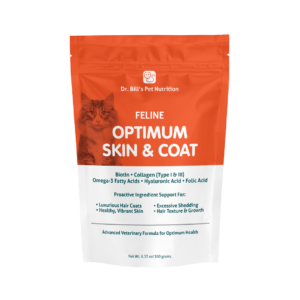
Feline Optimum Skin & Coat
$30.95 -
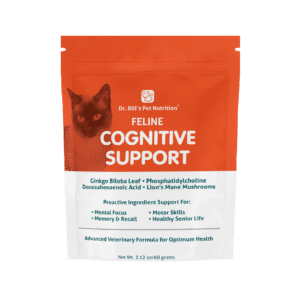
Feline Cognitive Support
$30.95 -

Feline Ultimate Fitness & Health
$45.95

0 Comments