
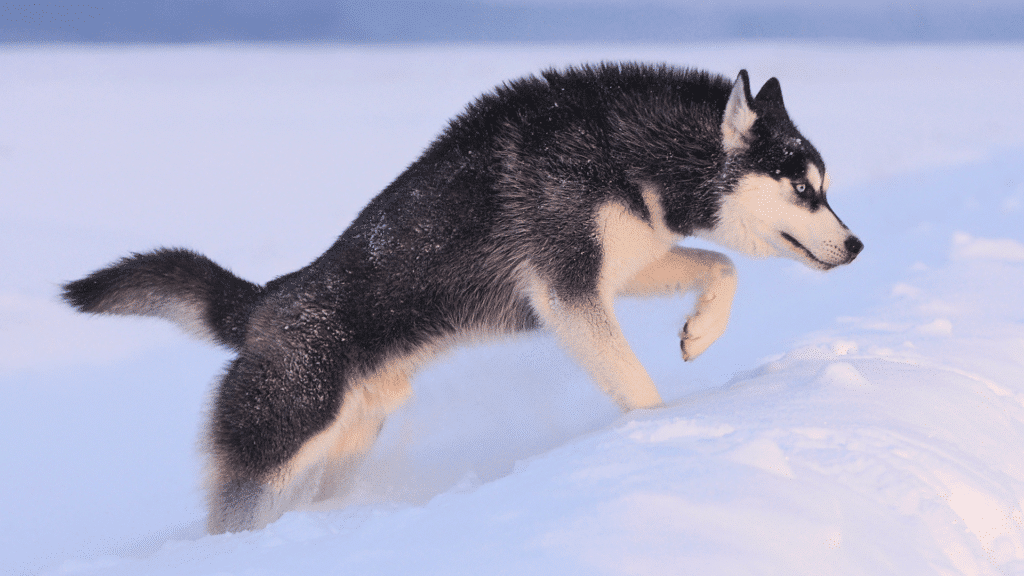
The Siberian Husky is one of the most iconic and captivating dog breeds, known for its striking appearance and energetic temperament. With their wolf-like features, blue or multi-colored eyes, and thick double coats, they are beloved by dog enthusiasts worldwide. But beyond their striking exterior, Siberian Huskies possess a fascinating history, a unique personality, and specific health concerns that every potential owner should be aware of. Let’s delve deeper into the history, temperament, appearance, health concerns, and some interesting facts about this amazing breed.
History of the Siberian Husky
The Siberian Husky’s origins date back thousands of years to the frozen landscapes of Siberia, Russia, where they were bred by the Chukchi people. These semi-nomadic people relied on the Huskies for sled-pulling in harsh Arctic conditions, enabling them to travel long distances over snow and ice. The breed was valued for its stamina, ability to work in teams, and friendly nature. In the early 1900s, the Siberian Husky made its way to Alaska, where they gained fame for their role in the Serum Run of 1925. This event, also known as the “Great Race of Mercy,” saw teams of Huskies delivering diphtheria antitoxin across the Alaskan wilderness to save lives during an outbreak. Their remarkable endurance and loyalty made them heroes in the public eye to this day.
Temperament
Siberian Huskies are known for their friendly and playful personalities. They are often described as independent, intelligent, and stubborn, which can also make training a challenge. Despite their aloofness with strangers, they are not typically aggressive and are generally friendly towards everyone, including children and other dogs. However, Huskies have a strong prey drive, and their instinct to chase can sometimes lead them into trouble. Their high energy levels also mean they need regular exercise and mental stimulation to stay content and well-behaved. Without sufficient activity, they may resort to undesirable behaviors like digging, chewing, or excessive howling. Due to their strong pack instincts, Huskies thrive in environments where they can be part of a family unit. They enjoy companionship and often dislike being left alone for extended periods. A lonely Husky can become quite vocal, often howling or whining to express their dissatisfaction.
Appearance
The Siberian Husky’s appearance is one of the most captivating features of the breed. These dogs have a medium-sized, athletic frame that is well-suited for pulling sleds over snow. Their thick double coat is designed to protect them from frigid temperatures, with a soft undercoat and a longer, coarser outer coat that repels moisture and insulates their bodies. Their coats come in various colors, including black, gray, and copper, with markings that can include a distinctive mask on their face. While some have piercing blue eyes, others may have one blue eye and one brown eye (a trait known as heterochromia), or even amber or green eyes. Their wolf-like features, stiff ears, and bushy tails give them an almost mythical appearance.
Health Concerns
Siberian Huskies are generally a healthy breed, but like all dogs, they can be prone to certain health issues. Some common concerns include:
- Hip Dysplasia: This genetic condition occurs when the hip joint doesn’t develop properly, leading to arthritis and pain. Regular vet check-ups can help detect early signs, and maintaining a healthy weight can prevent further strain on the hips.
- Eye Issues: Huskies are susceptible to conditions such as cataracts and progressive retinal atrophy (PRA), which can lead to blindness. Regular eye exams are essential for early detection.
- Hypothyroidism: A common issue in Huskies, hypothyroidism occurs when the thyroid gland does not produce enough hormones, leading to symptoms like lethargy, weight gain, and hair loss.
Interesting Facts
- Historically bred for endurance, the Siberian Husky is incredibly strong and fast. They can pull sleds for miles without tiring, making them ideal for racing and long-distance sledding events.
- Huskies are notorious escape artists. Their curiosity and intelligence can lead them to figure out how to escape from fences or enclosures. If you own a Husky, it’s crucial to have a secure yard and to supervise them when they are outside.
- Huskies are known for their unique vocalizations. They don’t just bark; they howl, whine, and even “talk” to their owners. Their vocal nature can be charming but may not be ideal for those living in apartments or close quarters with neighbors.
Caring for Siberian Huskies
Siberian Huskies are known for their insatiable appetites, and the correct amount and type of food you should feed your Husky depends primarily on their age, weight, and activity level. Originally formulated to help performance dogs reach their maximum potential, Canine Ultimate Fitness & Health is a delicious, concentrated nutritional powder, providing a balanced blend of 55-nutrients your canine needs for better health, increased activity, maximized performance, the prevention of age-related diseases, and ultimately a longer, healthier, and more enjoyable life.
-
 Canine Optimum Skin & Coat$49.95 – $80.75
 -
 Canine Ultimate Fitness & Health$51.50 – $86.95
 -
 Canine Complete Joint Care$68.50 – $99.50



0 Comments