
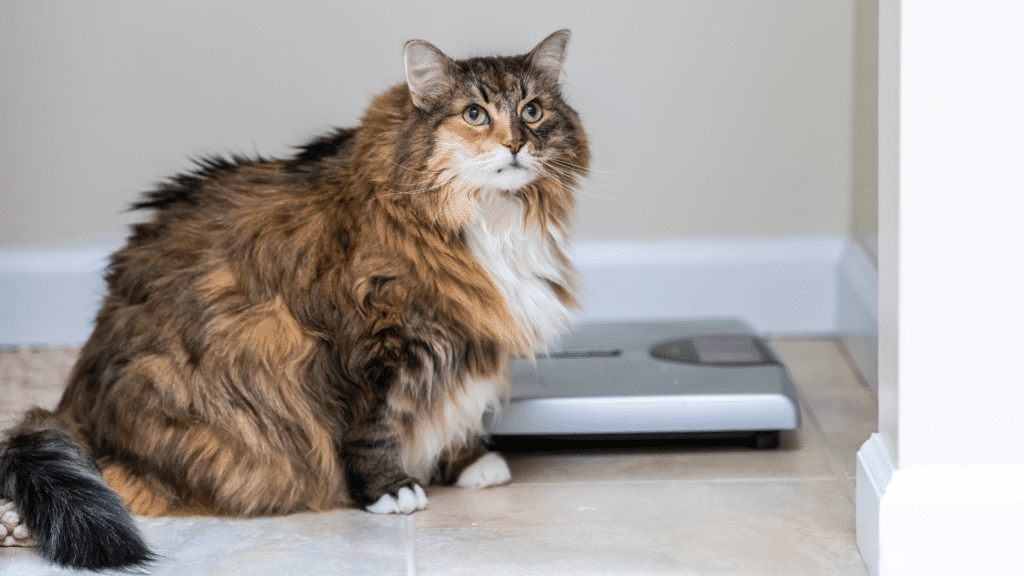
Obesity is not just a human problem, it’s a growing issue among our feline companions as well. According to recent studies, nearly 60% of cats in the United States are overweight or obese, which is a concerning statistic considering the serious health risks that come with excessive weight. Much like in humans, obesity can dramatically shorten a cat’s lifeexpectancy and significantly affect their overall quality of their life. Understanding the impact of feline obesity and knowing how to help your cat lose weight are crucial steps in keeping them healthy and happy.
Health Risks of Feline Obesity
Obesity in cats isn’t just about an expanded waistline as it can lead to several serious health problems. The excess fat puts additional strain on the body, including their joints, heart, and organs, making it harder for your cat to live a long active life. Here are some of the most common health risks associated with obesity in cats:
- Arthritis and Joint Problems: Carrying excess weight puts pressure on your cat’s joints, leading to arthritis and other joint problems. Over time, this can result in chronic pain, reduced mobility, and difficulty performing everyday activities like jumping or climbing.
- Diabetes: Obesity increases the risk of insulin resistance, which can eventually lead to diabetes. Managing feline diabetes often requires lifelong treatment, including insulin injections and regular monitoring of blood sugar levels.
- Heart Disease: Extra weight puts a strain on the heart, potentially leading to heart disease or other cardiovascular issues. Cats with obesity may develop high blood pressure, which can cause further complications, such as kidney disease and vision problems.
- Liver Disease: The liver is responsible for processing fats, and excess fat in the body can cause fatty liver disease. This condition is dangerous and can be life-threatening if left untreated.
- Decreased Lifespan: Studies have shown that obese cats are more likely to develop a range of health problems, which can shorten their lifespan by several years.
How to Help Your Cat Lose Weight
The good news is that feline obesity is preventable and, with the right approach, can be managed and reversed. If you suspect that your cat is overweight, it’s important to take action sooner rather than later. Here are some practical steps to help your cat shed those extra pounds:
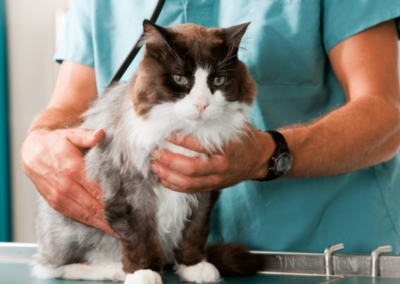
- Consult Your Veterinarian: Before starting any weight loss program, consult your veterinarian to ensure that your cat’s weight gain isn’t due to an underlying medical condition, such as hypothyroidism or diabetes. Your vet can also help determine your cat’s ideal weight and create a safe and realistic weight loss plan.
- Portion Control and Diet: One of the most effective ways to help your cat lose weight is by managing their food intake. Measure your cat’s food and follow your vet’s recommendations on portion sizes. Avoid free feeding (leaving food out all day) and opt for scheduled meals instead.
- Increase Physical Activity: Just like humans, cats need exercise to burn calories. Encourage your cat to be more active by providing toys, engaging in interactive play sessions, and even creating a stimulating environment with climbing trees or puzzle feeders. Regular activity helps not only with weight loss but also improves mental stimulation and overall well-being.
- Slow and Steady Wins the Race: Weight loss should be gradual to avoid potential health issues. Rapid weight loss can lead to a condition called hepatic lipidosis (fatty liver disease), which can be dangerous for cats. A safe weight loss goal is typically 1-2% of body weight per week.
- Monitor Progress: Regularly weigh your cat to track their progress. Keep a journal of their meals, snacks, and exercise routines to ensure that you’re staying on track. Your vet can also help monitor your cat’s weight and health during check-ups.
- Limit Treats: While it’s tempting to spoil your cat with treats, too many can easily contribute to weight gain. Opt for healthy, low-calorie treats or use a portion of their regular food as a reward instead.
Dr. Bill’s Feline Health Supplements
Feline obesity is a serious health concern, but with the right approach, you can help your cat lose weight and improve their overall health. Cats thrive on the high-quality nutrients in their food, which is why we highly recommend Dr. Bill’s Pet Nutrition to keep your furry friend happy and healthy. Combining decades of experience with the latest veterinary research and technology, Dr. Bill’s animal health supplements are designed to meet all federal and state regulatory requirements. All products are developed and manufactured in the U.S.A. from worldwide sourced ingredients for that support enhanced health, fitness, and longevity in cats. Dr. Bill’s Feline Ultimate Fitness & Health has 78 active ingredients that are formulated to provide a blend of high biological value proteins, omega-6 and omega-3 fatty acids, essential vitamins, essential minerals, and multiple specialty ingredients known to be helpful in the development and maintenance of a strong, physically fit body, optimum health, and an extended life.
Recommended products
-
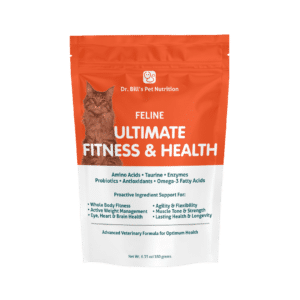
Feline Ultimate Fitness & Health
$45.95 -
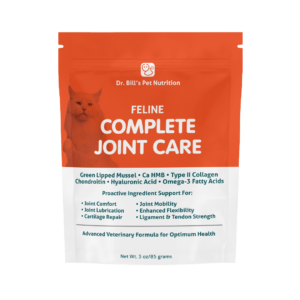
Feline Complete Joint Care
$42.50 -
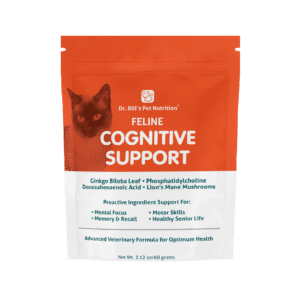
Feline Cognitive Support
$30.95

0 Comments